
Understanding the Role of Tourism in Conservation
Welcome to the world of sustainable tourism and conservation! It’s no secret that tourism has a significant impact on our environment and natural resources. However, with the right approach, tourism can also play a crucial role in preserving and protecting our planet’s precious ecosystems. In today’s article, we will delve deeper into understanding the role of tourism in conservation and how it can be used as a valuable tool for preserving our planet’s biodiversity and promoting sustainable development.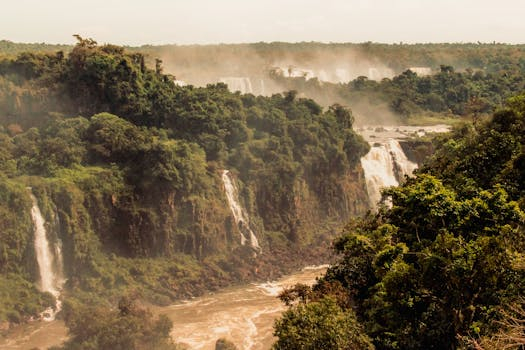
Preserving Biodiversity Through Sustainable Tourism
Biodiversity refers to the variety of plant and animal species present in a particular region or ecosystem. It plays a vital role in maintaining the balance and health of our planet’s natural systems. Unfortunately, unsustainable practices, including deforestation, overfishing, and pollution, have caused a significant decline in global biodiversity in recent years. However, sustainable tourism offers a ray of hope for preserving biodiversity and promoting conservation efforts.
Reducing Carbon Footprint
One of the most significant environmental impacts of tourism is carbon emissions, which contribute to climate change. Sustainable tourism practices, such as eco-tourism and responsible travel, aim to minimize the carbon footprint of travelers by promoting low-impact activities and using renewable energy sources. This results in a reduced impact on the environment and can help preserve fragile ecosystems and their inhabitants.
Promoting Conservation Awareness and Education
Tourism also has the power to educate and raise awareness about conservation and environmental issues. Through ecotourism activities such as guided nature hikes, wildlife safaris, and educational tours, travelers can learn about the importance of preserving biodiversity and the role they can play in conservation efforts. This awareness can lead to more informed and responsible travelers and a stronger desire to protect the environment.
Promoting Sustainable Development
Besides preserving biodiversity, tourism can also play a significant role in promoting sustainable development in local communities around the world. Sustainable tourism practices aim to benefit the local economy, environment, and communities, rather than solely prioritizing profits. This approach can lead to the following positive impacts:
Empowering Local Communities
Sustainable tourism practices encourage the involvement of local communities in tourism activities and their direct benefits from it. This empowers communities by providing them with alternative livelihood opportunities, reducing their dependence on vulnerable resources such as wildlife and forests. In this way, tourism can contribute to poverty reduction and sustainable economic growth.
Conserving Cultural Heritage
Tourism not only has the power to preserve natural resources but also cultural heritage. Sustainable tourism practices promote the protection and celebration of local traditions, customs, and traditions, which can be an essential part of a community’s identity. By promoting cultural tourism, we can help preserve and protect unique cultural heritage sites and traditions.
Challenges and Solutions
Despite its potential for conservation and sustainable development, tourism also presents several challenges to the environment and local communities. These include over-tourism, unsustainable development, and pollution. However, with proper planning and management, these challenges can be addressed, and tourism can be used as a tool for conservation.
Eco-Friendly Infrastructure
Building environmentally sustainable infrastructure, such as eco-lodges, sustainable transportation, and waste management systems, can help reduce the environmental impact of tourism. This approach can ensure that development in tourist areas is sustainable and in harmony with the local environment.
Regulation and Monitoring
Government regulations and monitoring are crucial for promoting sustainable tourism practices and preventing over-tourism. This includes setting carrying capacity limits for fragile ecosystems and implementing responsible tourism guidelines for tour operators and tourists.
In conclusion, tourism can be a powerful tool for conservation and sustainable development when managed and practiced responsibly. By implementing sustainable tourism practices and promoting conservation education and awareness, we can ensure a more sustainable future for our planet and its inhabitants.