Sustainable Urban Planning: Real Estate’s Impact on City Living
The urban landscape is constantly evolving, with the rise of modern cities and the constant need for development. But with this development comes a responsibility to preserve and protect the environment. Sustainable urban planning is a crucial aspect of city living, and real estate plays a major role in its impact. In this article, we will explore the intersection of real estate and sustainable urban planning, and how they work together to create a more livable and environmentally friendly city.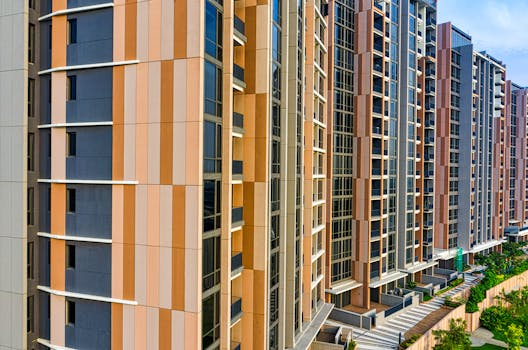
The Importance of Sustainable Urban Planning
Sustainable urban planning is the process of creating and managing cities in a way that aims to balance economic, social, and environmental concerns. With the world becoming increasingly urbanized, this approach to city planning has become more important than ever. Cities account for 70% of global energy consumption, and it is estimated that by 2050, 66% of the world’s population will live in urban areas. This puts a tremendous strain on resources, and it is crucial that cities adopt sustainable practices to manage their growth.
Real Estate’s Role in Sustainable Urban Planning
Real estate is a key player in the development of cities, from residential properties to commercial buildings. As such, it has a significant impact on sustainable urban planning. Developers and investors in the real estate industry have a responsibility to create buildings and communities that are not only profitable, but also contribute to the sustainability of the city they are located in.
One way real estate can impact sustainability is through the construction of eco-friendly buildings. Green buildings use sustainable materials, energy-efficient systems, and have a reduced carbon footprint. They also have a positive impact on the health and well-being of occupants. By creating more green buildings, real estate can play a major role in reducing the carbon emissions of a city and promoting a healthier environment.
The Rise of Sustainable Neighborhoods
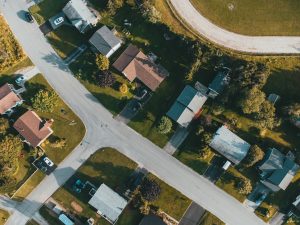
Real estate developers are also increasingly focusing on creating sustainable neighborhoods. These are communities where residents can live, work, and play in a sustainable manner. This includes features such as bike lanes, green spaces, and access to public transportation. Sustainable neighborhoods not only reduce the carbon footprint of residents, but also promote a sense of community and well-being.
The Benefits of Sustainable Urban Planning for Real Estate
While sustainable urban planning has a positive impact on cities and the environment, it also has benefits for the real estate industry. By incorporating sustainable practices, real estate developers and investors can attract a growing market of environmentally conscious consumers. In addition, green buildings and sustainable neighborhoods can command higher prices and have a better return on investment. This is because they are more energy-efficient, have lower operating costs, and provide a healthier living or working environment.
Challenges and Solutions for Real Estate in Sustainable Urban Planning
Despite the benefits, there are challenges that real estate faces in implementing sustainable practices. One major obstacle is the higher upfront costs of green buildings, which can deter developers. To overcome this, governments can offer incentives and tax breaks to encourage sustainable development. Real estate companies can also collaborate with other industries to implement innovative solutions, such as using renewable energy sources or implementing green technology in buildings.
Conclusion
Sustainable urban planning is crucial for creating livable, environmentally friendly cities. Real estate plays a major role in this, and by incorporating sustainable practices, it can have a positive impact on the environment, as well as attract a growing market of environmentally conscious consumers. While there are challenges, with the support of governments and collaboration with other industries, real estate can be a driving force in creating sustainable cities for generations to come.