The Critical Importance of Proper Instrument Maintenance Schedule
Have you ever played an instrument that sounds off-key or out of tune? Or have you tried to play a guitar with rusty strings and struggled to produce a clear, crisp sound? As musicians, we understand the importance of practicing and perfecting our skills, but what about the importance of maintaining our instruments? Proper instrument maintenance is critical for not only producing quality sound but also for preserving the lifespan of our beloved instruments. In this article, we will discuss the critical importance of following a proper instrument maintenance schedule to ensure our instruments sound their best and last for years to come.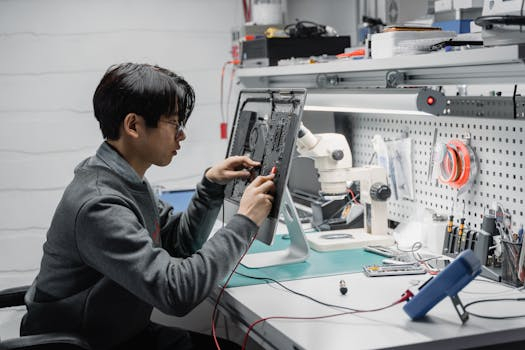
The Sound of Quality
As musicians, we know that the sound of our instrument is of the utmost importance. It can make or break a performance and can be the deciding factor between a practice session that leaves us feeling frustrated or fulfilled. When we don’t properly maintain our instruments, we risk having a subpar sound that can be detrimental to our performance or practice sessions.
Effective Cleaning Techniques
The first step in maintaining our instruments is keeping them clean. Proper cleaning techniques vary depending on the type of instrument, but generally include using a clean, dry cloth to wipe down the surface of the instrument after each use. For string instruments, it is important to also clean the strings with a string cleaner or rubbing alcohol to remove any oils or build-up that can affect the sound quality. For wind instruments, it is vital to thoroughly clean the inside of the instrument using specialized cleaning tools and products to remove any residue that can affect the sound.
String Instrument Maintenance
String instruments, such as guitars and violins, require regular maintenance to ensure quality sound and prolong their lifespan. It is important to regularly change the strings on these instruments, as old strings can become rusty and dull the sound. Tuning the strings is also crucial, as out-of-tune strings can make it difficult to produce the desired sound. Additionally, it is recommended to keep string instruments stored in a cool, dry place to prevent warping.
Proper Storage
The saying “out of sight, out of mind” often applies to our instruments when we are not using them. However, proper storage is essential in maintaining our instruments. Storing our instruments in a dry, temperature-controlled environment can prevent warping and damage to the instrument. For larger instruments, such as drums and pianos, covering them with a cloth or case when they are not in use can protect them from dust and other harmful elements.
Prolonging Instrument Lifespan
Regular instrument maintenance not only ensures quality sound but also prolongs the lifespan of our instruments. Neglecting to properly maintain our instruments can lead to costly repairs or even the need for a replacement instrument. By following a consistent maintenance schedule, we can prevent any major issues and extend the life of our instruments.
The Cost-Effective Solution
While it may be tempting to skip over instrument maintenance to save time and money, it can actually end up costing us more in the long run. The cost of repairs or a new instrument can add up quickly, but by following a proper maintenance schedule, we can avoid these expenses and keep our instruments in top condition.
The Importance of Professional Maintenance
In addition to regular cleaning and at-home maintenance, it is also important to have our instruments professionally inspected and serviced. Professional technicians have the knowledge and expertise to identify any potential issues and perform necessary repairs to keep our instruments in prime condition.
Setting a Maintenance Schedule
Now that we understand the critical importance of proper instrument maintenance, how do we go about setting a schedule? As a general rule of thumb, it is recommended to perform a basic cleaning after each use and a more thorough cleaning and inspection at least once a month. However, if our instruments are used frequently or in extreme conditions, such as during outdoor performances, it may be necessary to clean and inspect them more often.
It is also important to keep track of when strings and other parts need to be replaced, as they may wear out sooner than expected. Setting reminders or marking a calendar can help us stay on top of maintenance tasks and ensure our instruments are always in top shape.
In Conclusion
Proper instrument maintenance is critical for producing quality sound, prolonging instrument lifespan, and avoiding costly repairs. By following a regular maintenance schedule and enlisting the help of professionals when needed, we can keep our instruments in top condition and continue to create beautiful music for years to come.