
Navigating the Challenges of Music Collaboration Remotely
Collaboration is an essential element of the music industry. It allows artists to combine their unique skills and perspectives to create something truly special. However, with the rise of remote work, collaborating on music projects has become more challenging than ever before. Distance, time zones, and technical difficulties can all create obstacles for artists looking to work together from different locations. In this article, we will explore the various challenges of music collaboration remotely and offer tips and solutions to help you navigate them successfully.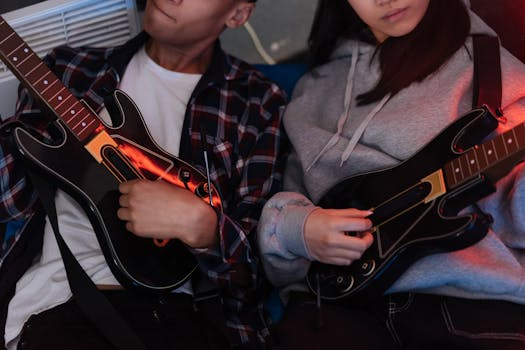
The Importance of Collaboration in Music
Before we dive into the challenges of remote collaboration, let’s first highlight the importance of collaboration in the music industry. When artists come together to collaborate, they bring their individual talents, experiences, and styles, resulting in a unique and dynamic creation that would not have been possible without each other. Collaboration also allows artists to learn from one another, expand their skills, and push the boundaries of their creative expression.
The Challenges of Remote Collaboration
1. Distance and Time Zones
The most obvious challenge of remote collaboration is the physical distance between artists. Different time zones can also make it difficult to coordinate schedules for meetings, recording sessions, or even to have a simple conversation. This can lead to delays, miscommunication, and frustration, which can ultimately affect the quality of the collaboration.
2. Lack of Personal Connections
Collaborating remotely means missing out on the personal connections and chemistry that can be built when working in the same physical space. Sharing a studio or jamming together in person allows for organic interactions and spontaneous moments of creativity that are hard to replicate through virtual means.
3. Technical Difficulties
Technology is great, but it is not without its flaws. Technical issues such as poor internet connections, software malfunctions, or compatibility problems can disrupt the flow of collaboration and cause delays or even result in lost work. These issues can also be frustrating and time-consuming to troubleshoot, taking away valuable time and energy that could be spent on creating music.
Tips for Navigating Remote Music Collaboration
1. Establish Clear Communication Channels
Clear and consistent communication is crucial for successful remote collaboration. It is essential to establish communication channels that work for everyone involved, whether it’s through email, messaging apps, video conferencing, or a combination of these. Agree on a platform that is easily accessible and reliable for all collaborators.
2. Set Realistic Expectations and Deadlines
When working remotely, it can be challenging to stay motivated and focused without the structure and accountability of a physical workspace. Establishing realistic expectations and deadlines for each collaborator can help keep the project on track and ensure that everyone is working towards the same goal. Regular check-ins and progress updates can also help to keep everyone accountable.
3. Embrace Virtual Tools and Technology
Technology can be both a blessing and a curse, but when used correctly, it can enhance remote collaboration. There are various virtual tools and software specifically designed for remote music collaboration that can simulate a studio-like environment and facilitate real-time collaboration. Do your research and experiment with different tools to find what works best for your project.
4. Find Ways to Create Personal Connections
Although it may seem challenging to create personal connections remotely, it is not impossible. Try to schedule virtual hangouts or jam sessions to build chemistry and inspire creativity. You can also use technology to share ideas and inspiration, such as creating a shared playlist or mood board.
In Conclusion
Despite the challenges, remote collaboration offers many benefits and opportunities for artists to create and collaborate with others around the world. By understanding and acknowledging the potential challenges and implementing strategies to overcome them, remote music collaboration can be successful and rewarding. Embrace technology, communicate effectively, and find ways to connect personally, and you can navigate the challenges of music collaboration remotely.