Essential Tips for Extending the Lifespan of Your Instruments
Playing an instrument can be a rewarding experience, but it also requires a lot of passion and dedication. Whether you are a beginner or an experienced musician, one thing is certain – your instrument is one of your most valuable possessions. It is not only a tool for creating music, but it is also a reflection of your personality and style. Taking good care of your instrument is essential for maintaining its quality and ensuring its longevity. In this article, we will discuss some essential tips for extending the lifespan of your instruments.
Choose the Right Materials
When it comes to instruments, quality matters. The materials used in the manufacturing process play a significant role in the instrument’s lifespan. For example, wood is a common material used in the construction of string instruments, such as guitars and violins. However, not all types of wood are suitable for instruments. High-quality, solid woods like spruce, mahogany, and maple are durable and produce better sound quality compared to lower quality, laminated woods.
It is also important to pay attention to the type and quality of strings used in your instruments. New strings can significantly improve the sound quality, but they also require proper maintenance to keep them in top condition. Synthetic strings, for instance, do not hold up well in high humidity, while metal strings can rust if not cleaned and maintained properly.
Proper Storage
Ignoring proper storage can cause significant damage to your instrument. Always keep your instrument in a dry and cool place, away from direct sunlight and extreme temperature changes. Instruments are sensitive to humidity and can warp or crack if exposed to too much moisture. If you live in a humid climate, investing in a dehumidifier can help maintain the ideal humidity levels for your instruments.
Furthermore, avoid leaning your instrument against walls or furniture, as they can fall and get damaged. Invest in a suitable instrument stand or case to keep your instrument safe and secure when not in use.
Regular Maintenance and Cleaning
Regular maintenance and cleaning are crucial for extending your instrument’s lifespan. Keep your instrument clean and free of any dust, dirt, or grime. Clean the surface of your instrument with a soft cloth, and use a cleaning solution specifically made for your instrument type. Strings should also be cleaned regularly, as the build-up of oils and dirt can cause them to deteriorate faster.
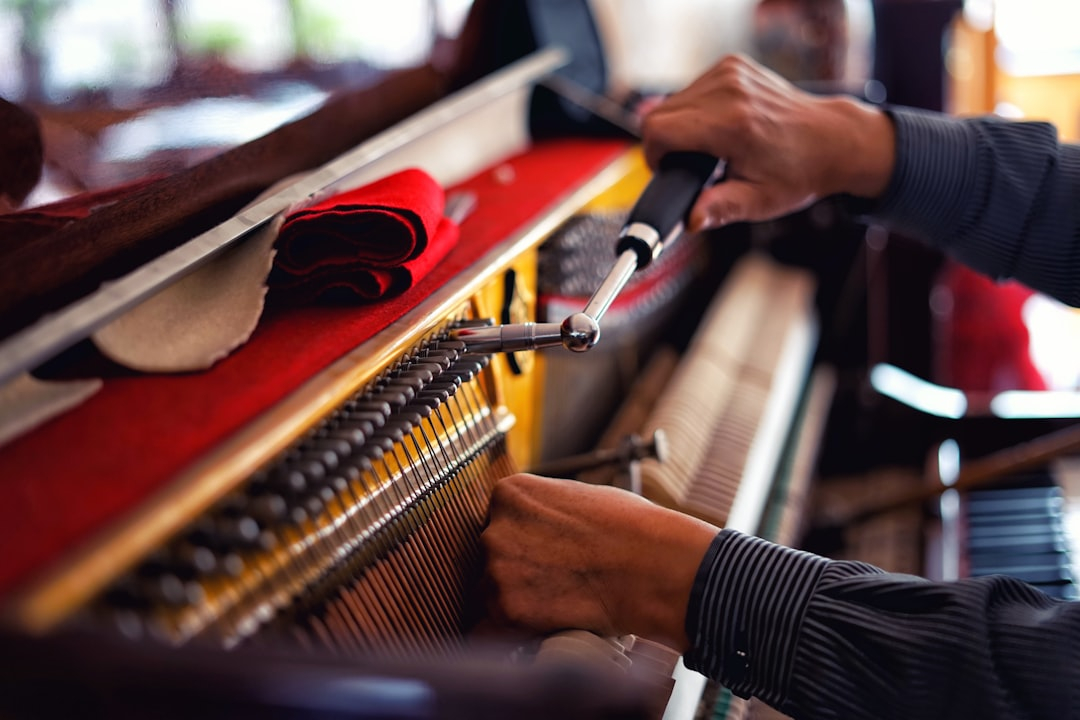
In addition to regular cleaning, it is essential to have your instrument serviced by a professional at least once a year. They can identify any potential issues and make necessary repairs before they become major problems.
Be Gentle
It may seem like common sense, but treating your instrument with care can significantly extend its lifespan. Avoid exposing your instrument to extreme temperatures, and never leave it in a hot car or in direct sunlight. When putting your instrument down, do not place it on hard surfaces, as this can cause scratches or dents. If you have to transport your instrument, make sure to use a padded case and handle it delicately.
Furthermore, when playing your instrument, be mindful of how you handle it. Handle it with clean hands, and avoid using any harsh chemicals on the surface. Do not force strings or try to bend your instrument in any way. These actions can cause damage that may not be reversible.
Know When to Replace Parts
Like any other object, instruments can wear out over time. It is essential to know when it’s time to replace certain parts of your instrument. For example, guitarists should regularly check and replace their strings when they start to show signs of wear. Other parts like tuners and bridges may also need to be replaced with prolonged use. Ignoring necessary replacements can harm the sound quality and playability of your instrument.
In Conclusion
Your instrument is a delicate balance of art and science, and taking care of it should be a top priority. By following these essential tips,, you can extend the lifespan of your instruments and maintain their quality for years to come. Remember to choose high-quality materials, store your instrument properly, perform regular maintenance and cleaning, handle your instrument with care, and know when to replace parts. These simple acts of care and maintenance can make all the difference in the longevity and performance of your beloved instrument.