The Science Behind High-Fidelity Audio Amplification Circuits
In today’s world, where technology is constantly advancing and improving, it’s no surprise that the audio industry has also seen significant developments. From headphones to home theater systems, there seems to be no limit to the quality of sound we can experience. This is all thanks to the science behind high-fidelity audio amplification circuits.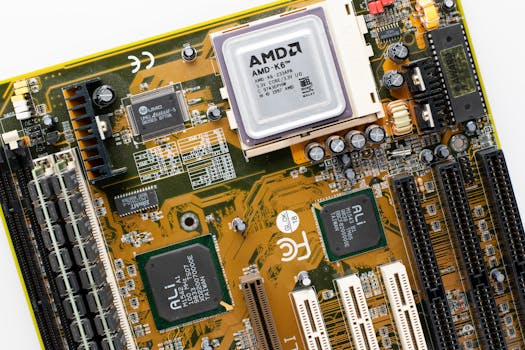
What is High-Fidelity Audio?
High-fidelity audio, commonly known as Hi-Fi, refers to a sound reproduction system that produces sound as close to the original recording as possible. This means that every nuance, detail, and instrument of the audio should be accurately represented without any distortion or coloration. Hi-Fi audio systems aim to create a listening experience that is as close as possible to what the artist intended when creating the music.
The Role of Amplification Circuits in High-Fidelity Audio
One of the key components that contribute to the quality of high-fidelity audio is the amplification circuit. In simple terms, an amplification circuit is a device that takes the low-level audio signals from a source such as a turntable, CD player, or streaming device, and increases their power to drive speakers or headphones.
Amplification circuits work by increasing the amplitude of the audio signal without altering its frequency. This is crucial in high-fidelity audio because any changes in the frequency or level of the signal can result in a distorted or altered sound.
The Science Behind Amplification Circuits
There are various types of amplification circuits used in different audio systems, but the most common and efficient type is the class AB amplifier. This type of amplifier uses two transistors, a positive and a negative, to amplify the audio signal. The positive transistor takes care of the positive half of the audio signal, while the negative transistor handles the negative half.
These transistors work in a push-pull manner, where one is on while the other is off, and vice versa. This ensures that there is always a continuous flow of the amplified audio signal without any gaps or distortion. Class AB amplifiers are known for their efficiency and provide high-quality sound without consuming excessive amounts of power.
How Do Amplification Circuits Achieve High-Fidelity Audio?
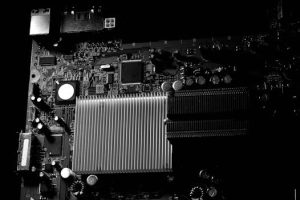
The design of an amplification circuit is critical in achieving high-fidelity audio. It requires precise components and layout to ensure that the audio signal remains intact and is not affected by any external noise or interference. In addition to this, the type of components used in the circuit plays a significant role in achieving high-fidelity audio.
For example, using high-quality resistors, capacitors, and transistors in an amplification circuit can significantly reduce distortion and improve sound quality. These components need to have tight tolerances and low noise levels to ensure accuracy in amplifying the audio signal. This is why high-end audio systems often use hand-selected and premium quality components in their amplification circuits.
The Future of High-Fidelity Audio Amplification Circuits
As technology continues to advance, so do amplification circuits. In recent years, there has been an increase in the use of digital amplification circuits, such as class D amplifiers, which use pulse-width modulation to amplify the audio signal. These digital amplifiers offer high efficiency, lower power consumption, and reduced distortion, making them a popular choice in today’s audio systems.
Furthermore, the integration of advanced technologies like Artificial Intelligence (AI) and machine learning in amplification circuits has the potential to further improve the quality of high-fidelity audio. These technologies can analyze and adjust the audio signal in real-time, making precise adjustments to optimize the sound and deliver a truly immersive listening experience for the user.
Conclusion
The science behind high-fidelity audio amplification circuits is complex and constantly evolving. It involves a combination of intricate design, precise components, and advanced technologies to achieve the best possible sound quality. The role of these circuits in creating a true-to-life listening experience cannot be overlooked, and as technology continues to advance, we can expect even more impressive advancements in the world of high-fidelity audio.