
The Impact of Wearable Tech on Personal Health Monitoring
The advancement of technology has brought about a significant impact on our society, from the way we communicate to how we perform everyday tasks. One area where technology has made a significant impact is in the field of healthcare. With the emergence of wearable technology, people can now monitor their personal health in real-time and take proactive measures to improve their overall well-being. In this article, we will explore the impact of wearable tech on personal health monitoring and how it is revolutionizing the way we approach our health.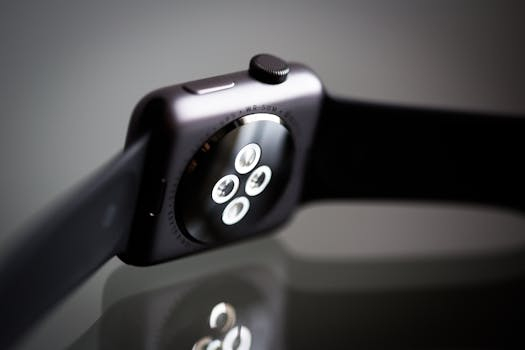
The Evolution of Wearable Technology
Wearable technology, also known as wearable devices, refers to electronic devices that can be worn on the body to collect and track data. These devices can range from smartwatches to fitness trackers and even smart clothing. The concept of wearable technology has been around for decades, but it has gained significant popularity in recent years with the advancements in technology.
The first wearable device was introduced in the 1960s, a portable cardiac pacemaker, which was worn externally by patients to monitor their heart rate. However, it was not until the 1980s when portable music players, such as the Walkman, were introduced that wearable tech started to enter the mainstream market. In the 2010s, with the introduction of fitness trackers, smartwatches, and other wearable devices, the popularity and demand for wearable technology skyrocketed.
Wearable Tech and Personal Health Monitoring
The primary purpose of wearable technology is to collect and track data, making it an ideal tool for personal health monitoring. Many wearable devices now come equipped with sensors that can track various aspects of our health, such as heart rate, sleep patterns, physical activity, and more. This data is then transmitted to a mobile application or an online platform, allowing users to monitor their health in real-time.
One of the most significant benefits of wearable tech for personal health monitoring is the ability to track health data continuously. Unlike traditional medical check-ups, where data is collected sporadically, wearable devices can provide a constant stream of data, giving a more accurate picture of a person’s overall health. With this data, users can identify any potential issues and take proactive measures to address them before they become more severe.
Improving Overall Well-being
With the rise of chronic diseases and health conditions such as obesity, diabetes, and heart disease, people are now more focused on improving their overall well-being. Wearable technology has become a valuable tool in achieving this goal. By tracking physical activity, nutrition, and sleep patterns, users can gain valuable insights into their lifestyle and make the necessary changes to improve their health.
Furthermore, wearable devices often come equipped with features such as reminders, challenges, and motivational messages, encouraging users to maintain a healthier lifestyle. This gamification of personal health monitoring has made it more engaging and fun, resulting in better adherence and more significant improvements in overall well-being.
Enhancing Healthcare and Research
Wearable technology is not only beneficial to individuals but also to the healthcare industry as a whole. By providing real-time data and insights, healthcare providers can make more accurate diagnoses and develop personalized treatment plans for patients. Wearable tech can also help in remote monitoring of patients, reducing the need for frequent hospital visits and increasing access to healthcare for those in remote areas.
Moreover, wearable technology has become a valuable tool for researchers and scientists. With the vast amount of data collected from wearable devices, researchers can gain a deeper understanding of various health conditions and their impacts. This data is vital in the development of new treatments and medications and in improving overall healthcare systems.
Challenges and Future Implications
Despite the numerous benefits of wearable tech in personal health monitoring, there are still some challenges that need to be addressed. One of the significant concerns is the threat to privacy and security. As wearable devices collect and store sensitive health data, there is a risk of it being hacked or misused, raising concerns about data privacy and ownership. To address this, stricter data protection laws and regulations need to be in place.
The future implications of wearable tech in personal health monitoring are vast and exciting. With advancements in technology, wearable devices are likely to become more sophisticated, offering more accurate and comprehensive data. This data can be used not only for personal health monitoring but also in preventative healthcare, disease monitoring, and even predicting potential health issues before they arise.
In Conclusion
Wearable technology has made a significant impact on personal health monitoring, providing users with real-time data and insights to improve their overall well-being. With continuous advancements, wearable tech has the potential to revolutionize the way we approach our health and healthcare. As the market for wearable technology continues to grow, it is essential to address challenges and privacy concerns while harnessing the full potential of this technology in improving our health and well-being.