
Exploring the Fascinating Evolution of Automotive Lighting Technology
The evolution of automotive lighting technology is a fascinating journey that has played a significant role in shaping how we drive and experience cars today. From the early days of crude and unreliable lighting systems to the modern, sophisticated systems we have today, the automotive lighting industry has come a long way. In this article, we will explore the remarkable evolution of automotive lighting technology and how it has transformed the driving experience over the years.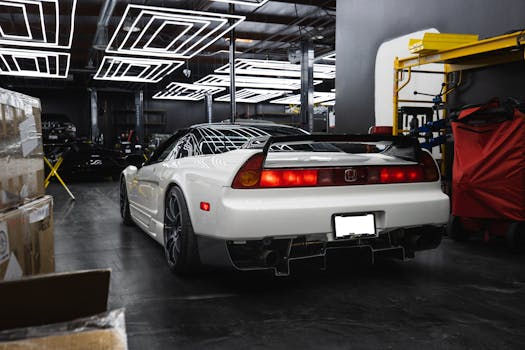
The Early Days: From Candles to Gas Lamps
The earliest form of automotive lighting can be traced back to the late 18th century when candles were used to light up carriages and provide some illumination for nighttime driving. However, with the invention of the automobile in the late 1800s, the need for more powerful and reliable lighting systems became apparent.
Gas lamps were then introduced in the 1900s and quickly gained popularity due to their brighter and more consistent output. However, they still had their limitations, as the gas lamps needed to be manually lit and adjusted, and they were prone to flickering and sudden dimming.
The Breakthrough: Electric Headlights
In 1912, the electric headlight was introduced, completely revolutionizing the automotive lighting industry. The electric headlight was a vast improvement, providing a dependable and practical solution for nighttime driving. This new lighting system was powered by the car’s electrical system, and it allowed drivers to adjust the brightness of their headlights as needed.
The electric headlight was a game-changer, and it quickly became a standard feature in most new cars. However, there were still some issues with the electric headlights, such as uneven lighting distribution and limited range.
The Age of Halogen and Xenon Headlights
In the 1960s, halogen headlights were introduced, providing a brighter and whiter light output compared to traditional incandescent bulbs. These headlights were more energy-efficient and lasted longer, making them a favorite among car manufacturers. With the introduction of halogen headlights, cars became more visible on the road, which greatly improved safety.
In the late 1990s, xenon headlights were introduced, using xenon gas to produce an even brighter and more intense light. These headlights also had a longer lifespan and consumed less energy, making them a popular choice among luxury car manufacturers. Xenon headlights are still widely used today, particularly in high-end vehicles.
The Advent of LED Lights
The latest and most significant evolution in automotive lighting is the introduction of LED lights. LED stands for light-emitting diode, and this technology has revolutionized the automotive lighting industry. LED lights are highly energy-efficient, have a longer lifespan, and produce a much more powerful and consistent light output. They also come in a variety of colors, making them a favorite among car enthusiasts.
LED headlights offer an array of benefits such as better visibility, improved safety, and reduced energy consumption, making them a standard feature in most modern cars. They also allow designers to get creative, with customizable lighting options that add a touch of personality to a vehicle’s design. Moreover, LED lights are also used in car interiors, providing ambient lighting and improving the overall driving experience.
What Lies Ahead: Smart Headlights and Beyond
The automotive lighting industry is continuously evolving, and we can expect some exciting developments in the future. One of the most significant advancements is the introduction of smart headlights, which use sensors and cameras to automatically adjust the brightness and distribution of light depending on the road conditions and other vehicles. This technology will greatly improve safety on the roads and provide a more comfortable and convenient driving experience.
Furthermore, with the rise of electric and autonomous vehicles, the need for more efficient and intelligent lighting systems will continue to grow. This opens up endless possibilities for designers and engineers to incorporate innovative lighting features into future car designs.
In Conclusion
The evolution of automotive lighting technology is a testament to the constant pursuit of innovation and improvement in the automotive industry. From candles to cutting-edge LED lights, automotive lighting has come a long way and has played a vital role in enhancing safety, visibility, and overall driving experience. With the rapid advancements in technology, we can only imagine what the future of automotive lighting holds.