
Developing an Appreciation for Diverse Global History
When it comes to history, many of us have been raised on a primarily Eurocentric curriculum. We learn about the ancient Greeks, Romans, and Egyptians, and maybe touch on a few other world events, but often the focus remains on Western civilizations. However, this narrow perspective limits our understanding of the world and its diverse cultures. Developing an appreciation for diverse global history is not only important for a well-rounded education, but it also helps us to understand and connect with people from different backgrounds. In this article, we will delve into the importance of diversifying our knowledge of history and how to go about doing so in a meaningful way.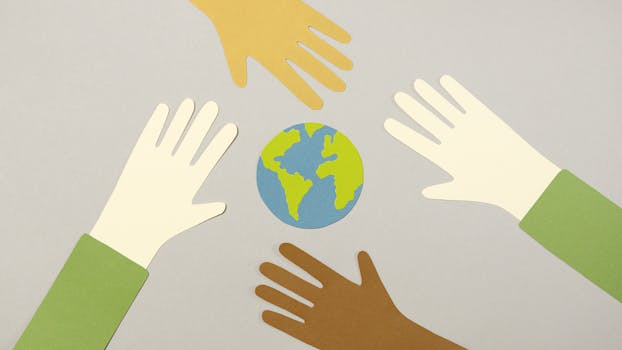
The Importance of Diversifying Our Knowledge of History
There is no denying that history has a major impact on the present. The events of the past have shaped our world and continue to influence it today. However, when we only learn about a limited range of events and cultures, we miss out on a deeper understanding of the world and its complexities. By diversifying our knowledge of history, we can break down stereotypes and biases, and gain a greater understanding and appreciation for different cultures and perspectives.
Breaking Down Stereotypes and Biases
One of the biggest benefits of learning about diverse global history is the opportunity to break down stereotypes and biases. When our understanding of history is limited, we often fall back on oversimplified and inaccurate generalizations about other cultures. This can lead to misunderstandings, prejudice, and even discrimination. By learning about the rich and nuanced histories of different societies, we can challenge these stereotypes and gain a more accurate understanding of the world and its people.
Understanding and Appreciating Different Cultures
In a world that is becoming increasingly interconnected and diverse, it is essential to have a basic understanding of different cultures. By learning about diverse global history, we can develop a deeper understanding and appreciation for the customs, traditions, and values of various societies. This is especially important for building relationships and fostering respect and empathy towards others.
Ways to Develop an Appreciation for Diverse Global History
Now that we understand the importance of diversifying our knowledge of history, let’s explore some practical ways to go about doing so:
Read Books and Articles
Reading is one of the best ways to learn about different cultures and their histories. Look for books or articles written by authors from different backgrounds, covering topics that are outside of your usual reading preferences. This could be a biography of an influential leader from a non-Western country, or a historical fiction novel set in a different part of the world. Keep an open mind and be willing to step out of your comfort zone.
Watch Documentaries and Films
Documentaries and films can also be valuable sources of information and insight into different cultures and their histories. Look for documentaries that focus on a specific culture or region of the world, and watch films from different countries and time periods. This can help bring history to life and give you a visual understanding of various events and societies.
Travel and Visit Historical Sites
If you have the means to do so, traveling to different countries and visiting historical sites can be a powerful way to learn about diverse global history. Take a guided tour and learn about the significance of different landmarks and their role in shaping the culture and history of a particular place. You could also visit museums and cultural centers to gain a deeper understanding of a society’s traditions and beliefs.
Engage in Diverse Discussions and Debates
Lastly, engaging in discussions and debates with people from different backgrounds can help expand your understanding and appreciation of diverse global history. Seek out diverse perspectives and be open to listening and learning from others. This can also help to break down any stereotypes or biases you may hold, and provide a platform for meaningful dialogue and mutual understanding.
In Conclusion
Developing an appreciation for diverse global history is essential for fostering a more inclusive and understanding world. By breaking down stereotypes and biases, gaining a deeper understanding of different cultures, and engaging in meaningful discussions, we can broaden our knowledge and develop a greater appreciation for the rich histories of the world’s diverse societies. So let’s challenge ourselves to diversify our understanding of history and celebrate the rich and complex tapestry of our global community.