The Unexpected Legal Issues Arising from Music Sampling
The music industry has seen significant changes over the years, with the rise of digital and streaming platforms making music more accessible to a wide audience. With this comes the growing trend of music sampling, where artists use snippets of pre-recorded music in their own compositions. While this practice has been widely accepted in the music industry, it has also raised a host of unexpected legal issues. In this article, we’ll dive into the world of music sampling and explore the legal challenges it poses for artists, record labels, and copyright owners.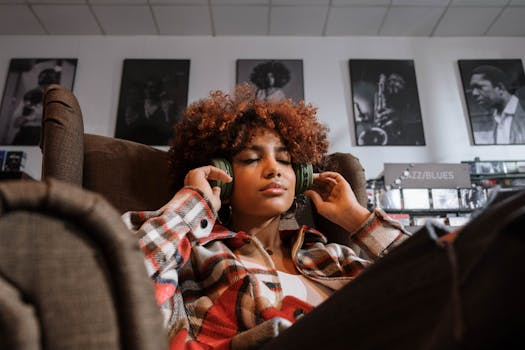
What is Music Sampling?
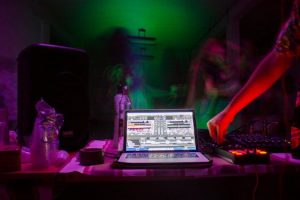
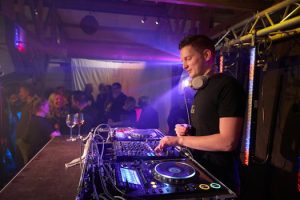
Music sampling is the act of taking a portion of an existing recording and incorporating it into a new composition. It has become a popular technique in various music genres, including hip-hop, pop, and electronic music. This practice is different from covering a song, where an artist re-records another artist’s work with their own interpretation. Music sampling involves taking an actual portion of the original recording and incorporating it into a new song.
The Legal Landscape of Music Sampling
The legality of music sampling has been a contentious issue since its inception. At its core, music sampling involves the use of pre-existing copyrighted material, which raises questions about copyright infringement. According to copyright law, the creator of a work owns the exclusive rights to reproduce, distribute, and perform their work. Therefore, using someone else’s work without permission or proper licensing can result in legal consequences.
Creative Expression or Copyright Infringement?
One of the main debates surrounding music sampling is whether it is a form of creative expression or outright copyright infringement. Proponents of music sampling argue that it is a creative and transformative use of existing material, adding new elements and creating something entirely new. However, critics argue that it is a direct infringement of the original artist’s copyright, as it uses their work without consent or compensation.
The Impact on Artists and Copyright Owners
The legal issues surrounding music sampling have significant implications for both artists and copyright owners. The rise of digital platforms and easy access to music has made it easier for artists to sample without proper authorization. This has resulted in many lawsuits being filed by copyright holders against artists, record labels, and streaming platforms for unauthorized use of copyrighted material. On the other hand, artists who have been sampled without their permission have also taken legal action, seeking compensation and recognition for their original work.
The Role of Fair Use
One of the main legal arguments used by artists and record labels in defense of music sampling is the concept of fair use. Fair use allows for the use of copyrighted material for specific purposes, such as commentary, criticism, or parody. Many artists argue that their use of music sampling falls under fair use as it is a transformative use of the original material. However, fair use can often be a blurry line, and courts have often ruled in favor of copyright holders in music sampling cases.
Recent Landmark Cases
Over the years, several landmark cases have shaped the legal landscape of music sampling. One of the most notable cases is the 1991 case Grand Upright Music, Ltd. v. Warner Bros. Records Inc., where the Court of Appeals ruled that sampling without permission is copyright infringement regardless of how much or how little the sample is used. In the more recent case of Bridgeport Music, Inc. v. Dimension Films, the court ruled that even a single-note sample was copyright infringement.
The Way Forward
The unexpected legal issues arising from music sampling have brought about a need for more clarity and guidelines in the music industry. While some artists and record labels have embraced licensing and clearance procedures, others continue to take their chances and sample without permission. With the rise of technology, it has become even easier to sample and manipulate music, making it challenging for copyright owners to track and protect their work. This calls for a more transparent and straightforward process for music sampling to avoid costly legal battles and protect the rights of all parties involved.
Conclusion
Music sampling has become an integral part of the music industry, with artists using it to expand their creative horizons. However, the legal implications of this practice have become a cause for concern among artists, record labels, and copyright holders. As technology continues to evolve and new music genres emerge, it is essential to have clear guidelines and processes for music sampling to ensure fairness and protection of intellectual property rights. As with any form of creative expression, it is crucial for artists to seek proper licensing and permission when incorporating samples in their work.