The Role of Vintage and Secondhand Clothing in Sustainable Fashion
Fashion has always been known for its ever-changing nature and constant desire for something new and trendy. However, the fast fashion industry has greatly contributed to the depletion of our planet’s resources, and consumer demands have only fueled its growth. In recent years, sustainability has become a hot topic, and the fashion industry has been forced to address its role in the environmental crisis. As a result, many consumers are turning to vintage and secondhand clothing as a sustainable alternative. In this article, we will explore the role of vintage and secondhand clothing in the fashion industry and how it contributes to a more sustainable future. 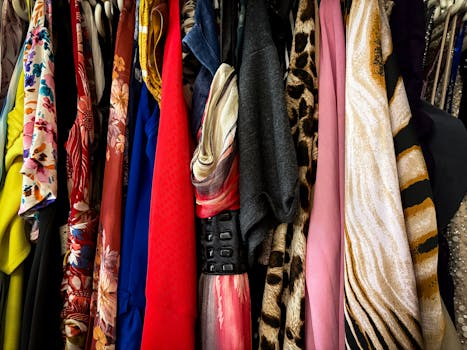
The Impact of the Fast Fashion Industry
To understand the importance of vintage and secondhand clothing, we must first acknowledge the impact of the fast fashion industry. Fast fashion refers to the production of inexpensive, mass-produced clothing that is inspired by the latest fashion trends. This business model has led to the overproduction and overconsumption of clothing, resulting in tons of textile waste every year. The fashion industry is the second most polluting industry globally, only second to the oil industry. The production of fast fashion creates a significant amount of carbon emissions, toxic chemicals, and water pollution. The demand for cheap and trendy clothing has also led to unethical labor practices and exploitation of garment workers in developing countries.
The Rise of Sustainable Fashion
Thankfully, the rise of sustainable fashion has provided a glimmer of hope in the fashion industry. Sustainable fashion is defined as clothing that is produced in an environmentally and socially responsible manner. It focuses on reducing the environmental and social impact of the fashion industry, from the production process to the way consumers use and dispose of their clothing. Sustainable fashion also considers the well-being and rights of garment workers, promoting fair wages and safe working conditions. Many fashion brands are now incorporating sustainable practices into their production processes, using eco-friendly materials and promoting circular fashion.
The Role of Vintage and Secondhand Clothing
Vintage and secondhand clothing play a crucial role in the sustainable fashion movement. Instead of supporting the fast fashion industry, consumers are turning to pre-loved clothing as a sustainable alternative. It not only reduces the demand for new clothing but also helps to keep perfectly usable clothing out of landfills. According to a report by ThredUp, a secondhand clothing platform, resale is expected to overtake fast fashion by 2029, emphasizing the increasing popularity of sustainable fashion.
Reducing Textile Waste
The production of clothing requires a significant amount of resources, from water and energy to raw materials and chemicals. When these materials are discarded, they create tons of textile waste that takes hundreds of years to decompose and releases harmful toxins into the environment. By purchasing vintage or secondhand clothing, we can significantly reduce the amount of textile waste that ends up in landfills. It also reduces the need for new clothing production, which has a massive environmental impact.
Preserving Natural Resources
Secondhand clothing not only reduces textile waste but also saves precious natural resources. The production of fast fashion relies heavily on non-renewable resources, such as oil and water. By choosing to buy secondhand clothing, we are reducing the demand for new clothing, which ultimately reduces the amount of natural resources used in the production process. It also helps to mitigate the environmental impact of extracting these resources from the earth.
Promoting a Circular Fashion Economy
Vintage and secondhand clothing also play a crucial role in promoting a circular fashion economy. A circular fashion economy follows the principles of the circular economy, which aims to keep resources in use for as long as possible and eliminate waste and pollution. By purchasing pre-loved items, we are extending the lifespan of clothing and preventing it from ending up in landfills. This creates a more sustainable and circular fashion system, where clothing is continuously reused and recycled, reducing the need for new production.
Changing Consumer Mindset
In addition to its environmental benefit, the rise of vintage and secondhand clothing has also brought about a change in consumer mindset. As consumers become more aware of the impact of their actions on the environment, they are making more conscious decisions about their fashion choices. Buying vintage and secondhand clothing not only reduces the environmental impact but also promotes a shift towards a more mindful and ethical consumption of fashion.
Conclusion
Vintage and secondhand clothing may have once been seen as outdated and unfashionable, but they have now become a symbol of sustainability in the fashion industry. The role of vintage and secondhand clothing in promoting a more sustainable future cannot be overstated. By reducing textile waste, preserving natural resources, and promoting a circular fashion economy, we can make a significant impact on the fashion industry’s environmental and social impact. As consumers, we have the power to drive change through our purchasing decisions, and embracing vintage and secondhand clothing is a step towards a more sustainable fashion industry.