Analyzing the Impact of Digital Influencers on Consumer Fashion Trends
In today’s digital age, it’s no secret that social media and technology have transformed the way we consume information and interact with brands. With the rise of digital influencers, individuals who have built a following on platforms such as Instagram, YouTube, and TikTok, there has been a significant shift in the way consumers engage with fashion and beauty trends. In this article, we will explore the impact of digital influencers on consumer fashion trends and how they have disrupted traditional marketing strategies and consumer behavior.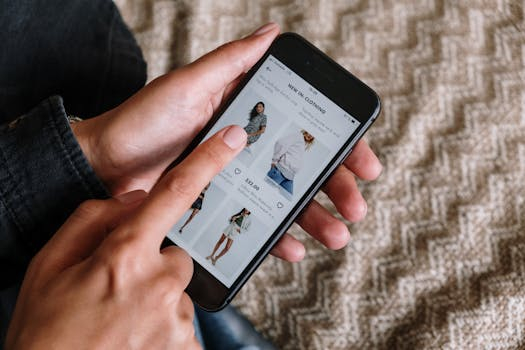
The Rise of Digital Influencers
Digital influencers, also known as social media influencers, have become a powerful force in the world of fashion and beauty. These individuals have a strong online presence and a dedicated following who look to them for inspiration, advice, and recommendations. By using social media platforms, digital influencers are able to connect with their audience in a more personal and authentic way than traditional celebrities.
The rise of digital influencers can be attributed to the increasing use of social media platforms and the desire for relatable and trustworthy content. With the rise of influencer marketing, brands are partnering with these individuals to reach their target audience and promote their products. As a result, digital influencers have become a significant factor in the fashion industry and have a significant impact on consumer fashion trends.
Disrupting Traditional Marketing Strategies
Digital influencers have disrupted traditional marketing strategies in more ways than one. Gone are the days when consumers solely relied on traditional forms of advertising such as TV commercials and print ads to learn about the latest fashion trends. With the rise of digital influencers, consumers are now turning to social media for inspiration and recommendations.
One of the biggest advantages of using digital influencers for fashion marketing is the ability to reach a highly targeted audience. With the help of social media analytics, brands can identify which influencers have the most engaged, relevant, and loyal followers. This allows them to partner with the right influencers who have the most influence over their target audience.
Moreover, digital influencers have also disrupted the fashion industry’s use of photoshop and airbrushing. With the demand for more authentic and relatable content, influencers are showcasing their real bodies and promoting body positivity. This has led to a shift in the industry’s beauty standards and has made fashion more inclusive and diverse.
Changing Consumer Behavior
One of the most significant impacts of digital influencers on consumer fashion trends is the change in consumer behavior. With the rise of influencer marketing, consumers are now more likely to trust recommendations from digital influencers over traditional advertising. This is because consumers see digital influencers as relatable and authentic individuals, rather than paid spokespersons for a brand.
In addition, digital influencers have also changed the way consumers shop for fashion. With the use of swipe-up links and promo codes, influencers make it easier for their audience to purchase the products they promote. This has led to an increase in impulse buying and has also influenced the rise of fast fashion.
The Future of Digital Influencers and Fashion
It’s safe to say that the impact of digital influencers on consumer fashion trends is here to stay. As technology continues to evolve and social media becomes even more integral to our daily lives, digital influencers will only continue to grow in influence and reach. Brands will have to adapt to this changing landscape and find new ways to reach their target audience through influencer partnerships and collaborations.
However, with the growing concern over influencer authenticity and the rise of influencer fraud, there will also be a push for more transparency and regulation in the influencer industry. This will result in more authentic and genuine partnerships between brands and influencers, ultimately benefiting both the industry and the consumer.