Decoding the Hidden Meanings of Color Psychology in Clothing Design
When browsing through clothing racks, have you ever been drawn to a particular color without even realizing it? Or have you ever walked into a store and immediately felt a certain emotion based on the color scheme? This is not a mere coincidence, but rather a phenomenon known as color psychology. Color psychology plays a significant role in the world of clothing design and can greatly impact the way we interpret and feel about certain garments. In this article, we will decode the hidden meanings of color psychology in clothing design and explore how it can be used to create powerful and impactful designs that resonate with consumers.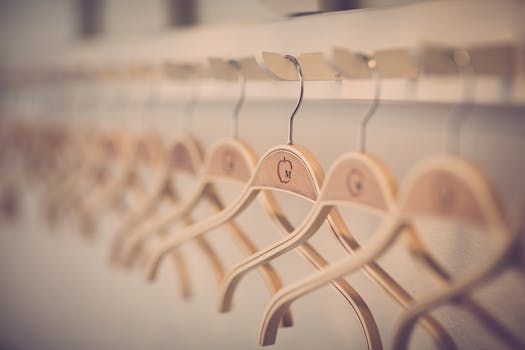
The Power of Color
The idea of color psychology is based on the concept that colors have the ability to evoke certain emotions and influence our behavior. This has been studied extensively in the world of marketing, where businesses use colors strategically to attract and engage customers. Similarly, in clothing design, color plays a crucial role in how a garment is perceived and can even affect the mood and confidence of the wearer.
Red – The Color of Passion
Red is a bold and attention-grabbing color that is often associated with passion, energy, and excitement. It is no surprise that it is a popular choice for clothing designers, as it can instantly make a statement. Studies have shown that wearing red can increase heart rate and blood pressure, leading to a feeling of power and confidence. This is why it is commonly used in formal wear and on the runway, as it exudes strength and sophistication.
Blue – The Color of Calmness
Blue is often seen as a calming and serene color, making it a popular choice for everyday clothing. It is also associated with trust and reliability, which is why it is often used in corporate attire. Apart from its psychological effects, blue is also a versatile color that can be both bold and subtle depending on the shade used. For example, a deep navy blue exudes authority, while a light sky blue gives off a friendly and approachable vibe.
Yellow – The Color of Happiness
Yellow is a warm and cheerful color that is often associated with happiness and positivity. It is often used in clothing designs to evoke a sense of energy and playfulness. However, when used in large amounts, yellow can also be overwhelming and can even cause anxiety. This is why it is important for clothing designers to use yellow in moderation, adding pops of it in a design to give it a vibrant and lively feel.
Influence of Culture and Personal Experiences
While colors have universal associations, the meaning of a color can also vary depending on one’s culture and personal experiences. For example, in Western countries, white is often associated with purity and innocence, while in Eastern cultures, it may symbolize death. Similarly, certain colors can also trigger personal memories and emotions. This is why clothing designers must be aware of the cultural and personal influences of color to avoid any misinterpretations and ensure their designs are relatable to their target audience.
Combining Colors for Maximum Impact
Understanding color psychology is not just about using a single color, but also about how to use it in combination with other colors to create the desired effect. For instance, pairing warm colors like red and yellow can create a sense of excitement and energy, while combining cool colors like blue and green can evoke a feeling of calmness and harmony. On the other hand, using complementary colors, such as red and green or blue and orange, can create a sense of balance and unity in a design.
Final Thoughts
In conclusion, color psychology plays a significant role in the art of clothing design. It has the power to influence our emotions, behavior, and even our perception of a garment. By understanding the hidden meanings behind colors, designers can create unique and impactful designs that resonate with consumers on a deeper level. So, the next time you reach for your favorite red dress or blue suit, remember that the color you choose is more than just a visual preference – it speaks to your inner psyche and can elicit a powerful emotional response.