
The Cultural Significance of Street Style Across Global Cities
Street style, once the realm of underground fashion scenes, has now become a global phenomenon. It is the epitome of self-expression and individuality, where fashion is not just about clothes but also about culture. From New York to Tokyo, Melbourne to Berlin, street style has a unique flair in each city, capturing the essence of its people and their surroundings. In this article, we will delve into the cultural significance of street style across global cities and how it has transcended beyond just being a trend, to being a form of cultural expression.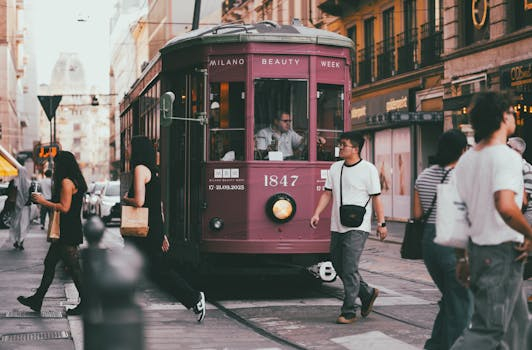
The Rebellion Against Mainstream Fashion
Street style is the antithesis of high fashion. It represents the rebellion against mainstream fashion and the rejection of societal norms. In cities like London and New York, where high fashion reigns supreme, street style is a breath of fresh air. Instead of conforming to the latest designer trends, street style is all about innovation and originality. It is a way for individuals to showcase their unique personalities and reject the pressure to conform to society’s standards of beauty.
The Rise of Streetwear
The rise of streetwear has also played a significant role in the cultural significance of street style. Originally born out of inner-city youth culture, streetwear has now become a multi-billion-dollar industry, with global brands like Supreme and Off-White dominating the market. The influence of streetwear can be seen across various cities, with each city adopting its own unique style. In Tokyo, for example, streetwear is a fusion of Japanese pop culture and street culture, whereas in Los Angeles, it is more laid-back and casual.
Celebrating Diversity and Inclusivity
One of the most remarkable things about street style is its ability to celebrate diversity and inclusivity. Unlike high fashion, which has long been criticized for its lack of representation, street style embraces people from all walks of life. It is not about body type, age, or race. It is about self-expression and embracing one’s individuality. In cities like Paris and Milan, street style has challenged the traditional beauty standards and opened up the fashion industry to a more diverse and inclusive audience.
The Intersection of Fashion and Music
The influence of music on fashion is undeniable. From the punk movement in the 1970s to the hip-hop scene of the 90s, music has always been intertwined with fashion. Street style, in particular, has a close relationship with music, with many musicians being seen as style icons. Cities like New York and London have a thriving street style scene, with a strong connection to the local music scene. In these cities, street style is not just about fashion; it is a form of self-expression and a way for individuals to showcase their love for music.
The Role of Social Media
Social media has also played a significant role in the cultural significance of street style. With platforms like Instagram and TikTok, street style has become more accessible and widespread. It has allowed individuals to showcase their personal style to a global audience, creating a sense of community within the street style scene. Social media has also given rise to a new breed of fashion influencers, who have become a driving force in shaping street style trends and influencing mainstream fashion.
The Impact of Street Style on High Fashion
Street style and high fashion have always had a symbiotic relationship. What starts off as a trend on the streets eventually finds its way onto the catwalks of high fashion designers. Street style has challenged the traditional fashion industry, pushing it to be more responsive to the demands and desires of the people. In recent years, high fashion houses have embraced streetwear, collaborating with streetwear brands and even incorporating street style elements into their collections.
In conclusion, street style has evolved beyond just being a fashion trend. It has become a form of cultural expression, representing diversity, inclusivity, rebellion, and individuality. It has transcended borders, connecting people from different cultures and backgrounds, and influencing mainstream fashion. As long as there are individuals who are not afraid to stand out and express themselves, street style will continue to have a significant cultural impact across global cities.