
The Future of Music Distribution: Blockchain and NFTs
With the rise of digital technology, the music industry has undergone many changes in how music is created, distributed, and consumed. From the emergence of streaming services to the increased use of social media, the landscape of the music industry is continuously evolving. However, one of the most significant advancements in recent years is the integration of blockchain technology and non-fungible tokens (NFTs) in the music distribution process. These new technologies have the potential to revolutionize the way artists distribute and monetize their music, providing them with more control and transparency in their careers. In this article, we will explore the future of music distribution and the impact of blockchain and NFTs on the industry.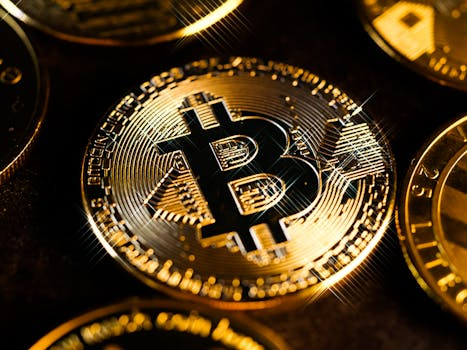
The Role of Blockchain in Music Distribution
Blockchain technology, popularized by its role in cryptocurrency, is a digital ledger that records transactions securely and transparently. In the music industry, blockchain has the potential to revolutionize the way that music is distributed by removing intermediaries and creating a direct connection between artists and fans. Currently, platforms like Spotify or Apple Music act as intermediaries between artists and listeners, taking a cut of the revenue and often leaving artists with a small percentage of their earnings. With blockchain, the entire transaction process can be streamlined, providing artists with more opportunities to monetize their music and connect with their audience directly.
Transparency and Fair Compensation
One of the major benefits of blockchain technology in music distribution is the increased transparency it provides. Artists can track their streams and transactions through a secure, publicly available ledger, ensuring that they receive fair compensation for their work. This directly addresses one of the most significant challenges in the music industry – the lack of transparency and fair payment for artists. With blockchain, creators can receive their earnings in real-time, eliminating long waiting periods and potential payment discrepancies.
Smart Contracts and Royalty Distribution
Another aspect of blockchain technology that can benefit artists is the use of smart contracts. These are self-executing contracts that automatically trigger transactions or actions once certain conditions are met. In the music industry, smart contracts can be used to automate royalty distributions to all the involved parties, ensuring that everyone receives their rightful share of the revenue. This not only simplifies the payment process, but it also eliminates disputes between artists and record labels over royalty distribution.
NFTs and the Value of Music
In addition to blockchain, non-fungible tokens (NFTs) are starting to make waves in the music industry. NFTs are unique digital assets that are verified on a blockchain and have a specific value. In music, NFTs can be used to represent unique pieces of content, such as a song, album, or art created by an artist. NFTs add value to these digital assets, making them collectible and adding another stream of income for artists.
Musical Ownership and Control
One of the major benefits of NFTs is their ability to establish ownership and control of digital assets. With traditional streaming services, artists have limited control over their music, and listeners can access it freely with a subscription fee. With NFTs, artists can create limited edition, one-of-a-kind digital assets that give the buyer exclusive ownership of the music. This creates a sense of scarcity and exclusivity that can increase the value of the music and provide artists with more control over their work.
Increase in Revenue Streams
NFTs also allow artists to tap into a new source of income. By selling unique digital assets, artists can generate revenue beyond traditional music sales and streaming royalties. Additionally, NFTs can be used to create loyalty programs and incentives for fans to support their favorite artists. For instance, an artist can offer exclusive content or early access to new music in exchange for purchasing NFTs.
The Future of Music Distribution is Here
The integration of blockchain and NFTs in the music industry has the potential to transform the way music is distributed and consumed. With increased transparency, fair compensation, and new revenue streams, artists can have more control over their careers and establish a direct connection with their audience. As technology continues to advance, we can expect to see even more innovations in music distribution, making it an exciting time for both artists and listeners. The future of music distribution is here, and it’s promising to be a game-changer for the industry.
In conclusion, the integration of blockchain and NFTs in music distribution can provide artists with more control, transparency, and revenue opportunities. These technologies have the potential to revolutionize how music is consumed and create a more equitable and sustainable industry for artists. As we enter into this new era of music distribution, we can expect to see many exciting developments that will shape the future of the music industry as a whole.