The Socioeconomic Effects of Declining Private Car Ownership in Cities
As cities continue to grow and embrace a more sustainable future, there has been a noticeable decline in private car ownership. This trend has been observed in metropolitan areas all around the world, and has resulted in various socioeconomic effects. Some view this decline as a positive shift towards a greener and more efficient transportation system. However, others argue that it has negative consequences on the economy and communities. In this article, we will explore the socioeconomic effects of declining private car ownership in cities and examine the potential impacts on different aspects of urban life.
The Rise of Alternative Transportation Options
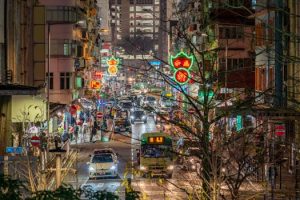
With the growing concerns for the environment and the increasing traffic congestion in cities, many individuals are turning to alternative modes of transportation. In recent years, there has been a significant rise in the usage of public transportation, cycling, and ride-sharing services. This shift away from private car ownership has led to a decrease in traffic congestion and air pollution in urban areas.
Positive Impact on the Environment
One of the most significant benefits of declining private car ownership is the positive impact on the environment. Private vehicles are a major contributor to greenhouse gas emissions, and by reducing the number of cars on the road, we can significantly decrease our carbon footprint. Additionally, with fewer cars emitting pollutants into the air, the overall air quality in cities will improve, leading to a healthier and more sustainable environment.
Reduced Traffic Congestion
In densely populated cities, traffic congestion is a major issue that can lead to increased travel times and frustration for commuters. With fewer private cars on the road, there will be less traffic, resulting in smoother and more efficient traffic flow. This also means that public transportation will run more smoothly and reliably, encouraging more people to use it as a viable option.
Challenges for Car Manufacturers and Dealerships
As the demand for private cars decreases, traditional car manufacturers and car dealerships face significant challenges. With fewer people buying cars, these businesses may experience a decline in sales and revenue. To remain competitive, they may need to shift their focus towards producing and selling alternative modes of transportation, such as electric cars or ride-sharing services.
Job Losses in the Auto Industry
In addition to the challenges faced by car manufacturers and dealerships, the decline in private car ownership can also result in job losses within the auto industry. As fewer cars are being produced, there will be a decreased demand for workers in manufacturing plants and assembly lines. This can have a severe impact on the economy, especially in cities where the auto industry is a significant contributor to employment.
Effects on Real Estate and Urban Planning
In cities, private cars take up a considerable amount of space, whether it be in the form of roads, parking spaces, or garages. As private car ownership declines, cities will have more available space that can be repurposed for other uses. This can lead to changes in urban planning, with a potential decrease in the need for parking spaces, allowing for more green spaces, public areas, and residential developments.
Increase in Property Values
In areas where there is a high demand for parking, such as downtown areas, the decline in private car ownership can lead to an increase in property values. With fewer private cars on the road, there will be less of a need for parking spaces, resulting in a decrease in supply. This can drive up the value of properties that offer parking as a feature, making them more desirable to potential buyers and renters.
The Impact on Low-Income Communities
While the overall effects of declining private car ownership may seem positive, it is essential to consider the impact on low-income communities. These communities may have limited access to alternative modes of transportation, such as public transit or ride-sharing services, making it difficult for them to travel to work or essential services.
Reduced Mobility and Isolation
The decline in private car ownership can also result in reduced mobility for individuals in low-income communities, as they may not have the means to own a private car or access alternative modes of transportation. This can lead to feelings of isolation and make it challenging for individuals to access job opportunities, education, and healthcare services.
Financial Burden for Car-Dependent Individuals
In some cases, individuals may rely heavily on their private vehicles for essential tasks, such as commuting to work or accessing healthcare services. For these individuals, the decline in private car ownership can result in a significant financial burden, as they may need to turn to more expensive forms of transportation or invest in alternative modes of transportation, such as electric cars, which may not be financially feasible.
In Conclusion
The socioeconomic effects of declining private car ownership in cities are complex and multifaceted. While there are several positive impacts, such as a decrease in traffic congestion and air pollution, there are also challenges and potential negative consequences. As cities continue to evolve and strive for a more sustainable future, it is essential to consider all of these effects and find ways to mitigate any potential disadvantages for various communities and industries.