Understanding the Trade-Offs Between Analog and Digital Sound
We live in a world where music and sound have become an integral part of our daily lives. From streaming our favorite songs to watching high-definition movies, our ears are constantly bombarded with various forms of sound. With the advancement of technology, the way sound is recorded, reproduced, and distributed has also undergone a significant transformation. The age-old debate between analog and digital sound has been raging on for decades, leaving many wondering which is better. In this article, we will dive deep into the trade-offs between analog and digital sound and help you understand the complexities of each.
What is Analog Sound?
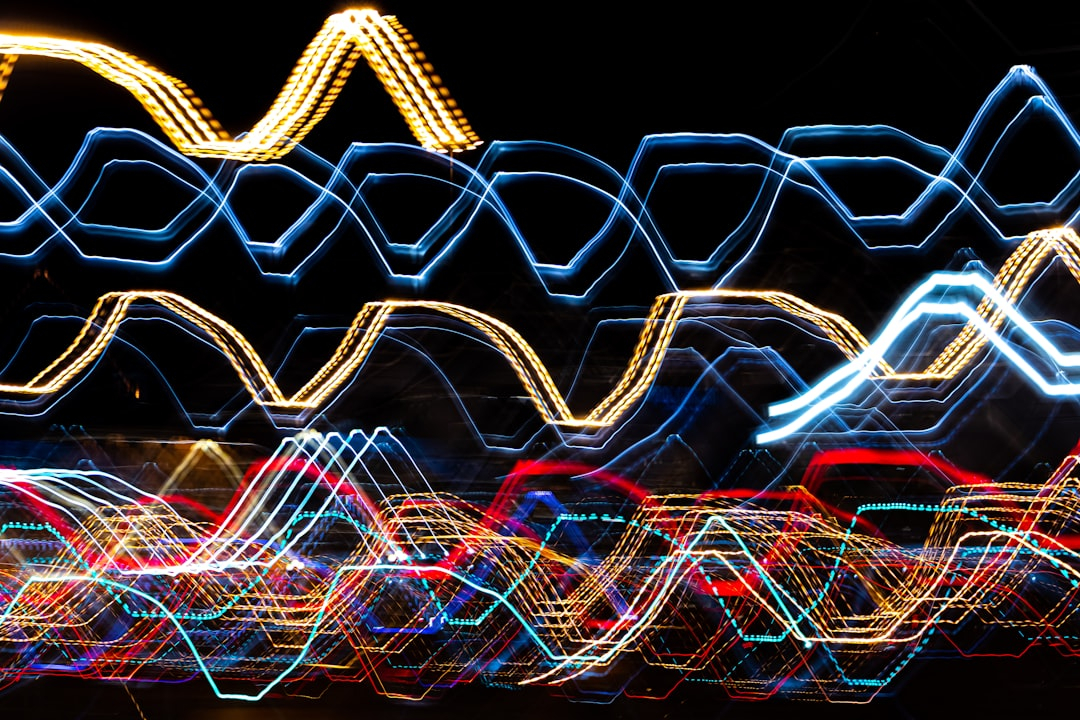
When we talk about analog sound, we are referring to sound that is recorded and reproduced in its original form. Before the invention of digital technology, all sound was recorded and played back using analog methods. In simple terms, analog sound is a continuous waveform that mimics the actual sound waves in the real world. The most common form of analog sound recording is through vinyl records, which were widely used up until the 1980s.
The Advantages of Analog Sound
One of the major advantages of analog sound is its warm and natural sound quality. Since the sound waves are directly recorded and played back, there is minimal loss of audio information. This results in a more immersive and organic listening experience. Analog sound also has a wider dynamic range, meaning it can capture and reproduce a wider range of frequencies compared to digital sound.
The Drawbacks of Analog Sound
Despite its many advantages, analog sound also has some limitations. The biggest drawback is its susceptibility to noise and distortion. As analog signals are transmitted through physical media, they can pick up interference and noise, which can significantly affect the sound quality. Analog recordings are also prone to wear and tear over time, resulting in a decrease in audio quality.
What is Digital Sound?
Digital sound, on the other hand, is a more modern form of sound recording and reproduction that uses digital technology. Unlike analog sound, digital sound is not a continuous waveform, but rather a series of 0s and 1s stored as binary code. Digital sound can be recorded using various digital media such as CDs, MP3s, and streaming services.
The Advantages of Digital Sound
One of the main advantages of digital sound is its ability to eliminate noise and distortion. Since the sound is converted into a digital format, it is less prone to interference and can be easily reproduced without any loss of quality. Digital sound is also more convenient as it allows for easy editing and manipulation of audio files.
The Drawbacks of Digital Sound
Despite its numerous advantages, digital sound is not without its drawbacks. Many audiophiles argue that digital sound lacks the warmth and richness of analog sound. This is because digital sound has a limited dynamic range, meaning it can only capture and reproduce a certain range of frequencies. This has led to many music enthusiasts preferring the sound of vinyl records over digital formats.
So, Which is Better?
Now comes the million-dollar question: which is better, analog or digital sound? The answer is not as simple as one might think. Both analog and digital sound have their strengths and weaknesses, making it difficult to declare one as superior to the other. Ultimately, the choice between analog and digital sound depends on personal preference and the intended use of the sound.
The Bottom Line
In conclusion, understanding the trade-offs between analog and digital sound is crucial for anyone looking to delve deeper into the world of sound. While analog sound may have a more natural and warm quality, digital sound offers convenience and precision. Both have their place in the music industry, and it is up to the listener to decide which sound they prefer. So sit back, relax, and enjoy the music in whichever format you choose.