
The Psychology of Melody: Why Certain Notes Sound Good
Music is a universal language that has the power to evoke strong emotions in us. Whether it’s a happy melody that makes us want to dance or a melancholic tune that brings tears to our eyes, music has a profound effect on our moods and psychology. But have you ever stopped to think about why certain notes and melodies sound good to us? Is it simply a matter of personal preference or is there a deeper psychological explanation behind our appreciation for music? In this article, we will delve into the world of music psychology and explore the reasons behind why certain notes sound good to our ears.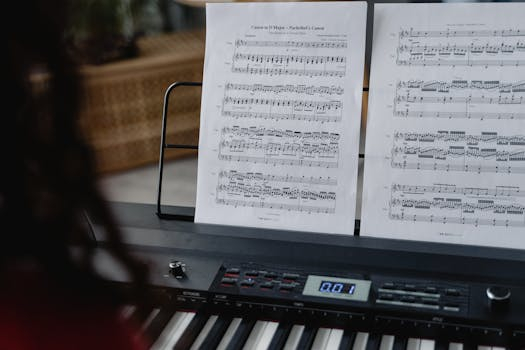
The Power of Pattern Recognition
Our innate need for patterns
As human beings, we have an innate need for patterns and structure. Our brains are wired to recognize patterns and make sense of the world around us. This is why we find comfort in familiar melodies and rhythms. The repetition of patterns in music appeals to our brain’s desire for predictability. In fact, studies have shown that our brains respond more strongly to patterns in music than random sounds.
The influence of cultural and societal norms
Our perception of what sounds good or bad is heavily influenced by the cultural and societal norms we are exposed to. For example, a person who has grown up listening to traditional Chinese music may find the pentatonic scale more pleasing to the ear compared to someone who grew up listening to Western music. Similarly, what is considered “good” or “bad” music is also shaped by societal expectations and trends. This explains why certain genres of music are more popular at certain times, as they align with the current cultural norms.
The Role of Emotions
The emotional power of music
It is no secret that music has an emotional impact on us. Certain melodies can evoke specific emotions that we associate with them. This is because music has the ability to trigger the release of neurotransmitters such as dopamine, serotonin, and oxytocin, which are responsible for regulating our emotions. This explains why we feel a rush of happiness when listening to an upbeat song or a sense of calmness when listening to a soothing melody.
The connection between memory and music
Music also has a powerful effect on our memory. We often associate songs with certain events or periods in our lives. This is due to the fact that music activates the same areas of the brain that are responsible for memory. When we hear a song that we haven’t listened to in years, it can instantly transport us to a specific moment in our past. This emotional connection to our memories is another reason why certain melodies sound good to us.
The Influence of Physiological Factors
The impact of physical sensations
It may come as a surprise, but our physical reactions to music also play a role in determining whether we find certain notes and melodies pleasing or not. Studies have shown that certain musical intervals and chords have a physiological effect on us, causing changes in our heart rate, blood pressure, and respiration. This demonstrates the strong connection between our bodies and music.
The power of association
Our physical sensations are also influenced by the context in which we hear music. For example, if we hear a particular melody in a sad scene in a movie, we are more likely to associate that melody with sadness. This association can then affect how we perceive the same melody when listening to it in a different context. This explains why a song that we used to love may suddenly lose its appeal if it is associated with a negative experience.
In Conclusion
The psychology of melody is a complex and fascinating subject that is constantly being explored by researchers and musicians alike. While there is no one definitive answer for why certain notes sound good, it is clear that our perceptions of music are shaped by a combination of biological, cultural, emotional, and physiological factors. So the next time you find yourself humming along to your favorite song, remember that there is a lot more to your appreciation for it than meets the ear.